ACT Lecture Series: The book 'A Liberal Theory of Property' with focus on 'Just Markets'
A digital event | The video of this presentation is available for viewing
- Date
- 15 February 2021
- Time
- 12:30 -14:00
- Organised by
- Marija Bartl
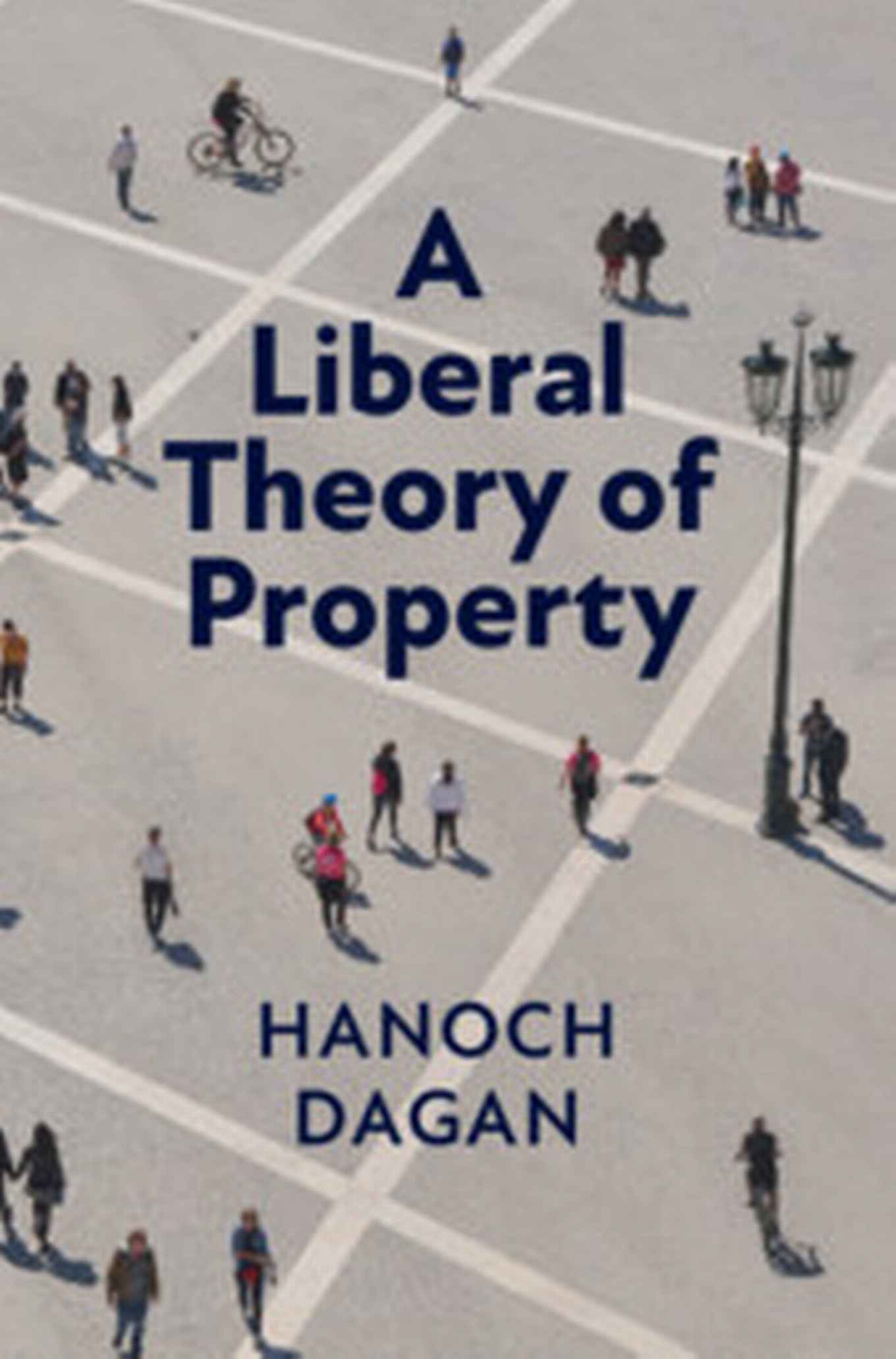
Book Title: A Liberal Theory of Property
Property enhances autonomy for most people, but not for all. Because it both empowers and disables, property requires constant vigilance. A Liberal Theory of Property addresses key questions: How can property be justified? What core values should property law advance, and how do those values interrelate? How is a liberal state obligated to act when shaping property law? In a liberal polity, the primary commitment to individual autonomy dominates the justification of property, founding it on three pillars: carefully delineated private authority, structural (but not value) pluralism, and relational justice. A genuinely liberal property law meets the legitimacy challenge confronting property by expanding people’s opportunities for individual and collective self-determination while carefully restricting their options of interpersonal domination. The book shows how the three pillars of liberal property account for core features of existing property systems, provide a normative vocabulary for evaluating central doctrines, and offer directions for urgent reforms.
Just Markets
Property and markets are not fully intertwined. Although one cannot think about the idea of a market without thinking about property – property, after all, is one of market’s foundational building blocks – it is possible to think about without thinking about markets. Still, liberal property and markets are so deeply connected that a liberal theory of property cannot ignore the market.
Biography
Hanoch Dagan is the Stewart and Judy Colton Professor of Legal Theory and Innovation and Director of the Edmond J. Safra Center for Ethics at Tel Aviv University. Dagan has written seven books across the landscape of core private law topics, including Property: Values and Institutions (2011) and The Choice Theory of Contracts (2017), and has published more than eighty articles in major law reviews and journals. He has been a visiting professor at Yale University, Columbia University, the University of Michigan, Cornell University, the University of California, Los Angeles, and the University of Toronto law schools.